/461/1/dicksons-colourband-steelblue.png)
/461/6/kia.png)
/461/6/1736777950678520de138e9_mg.png)
/461/6/1736777897678520a9776a4_nissan.png)
/461/6/1736777923678520c33444c_suzuki.png)
/461/6/124646a136c860b76ed6_kgm.png)
/461/6/1736782811678533dbbcd5b_carzar.png)
/461/6/3558462fc86616b9b932_bikezar-stacked--1-.png)
/461/6/4a0a013444c0e5224f19_vanzar.png)

Dicksons of Inverness Guide to Electric Car Ownership.
Everything You Need to Know Before You Switch to an EV in Scotland
Are you thinking about buying an electric car but not quite sure where to start? This guide is here to help. We've put together everything a driver in the Highlands genuinely needs to know, from the real pros and cons of EV ownership to charging, costs, winter driving, and common myths.
Is an Electric Car Right for You?
Electric vehicles (EVs) aren't for everyone - at least not yet. But they suit far more drivers than many people realise, including those who live and drive in the Scottish Highlands.
Here are a few questions worth asking yourself before you commit:
- Do you cover a fairly predictable daily mileage? (Most UK drivers average 20 to 25 miles a day)
- Do you have access to off-street parking at home, or the possibility of installing a home charger?
- Is most of your driving local, or do you regularly drive long distances in a single journey?
- Are you open to building slightly different habits around refuelling, i.e., charging overnight rather than stopping at a fuel station?
If you answered yes to most of these questions, an electric car is likely to work well for you. If you regularly drive over 200 miles in a single day without a predictable stopping point, or have no practical way of charging at home or at work, you may want to consider a hybrid vehicle as a stepping stone first.
The Pros of Owning an Electric Car
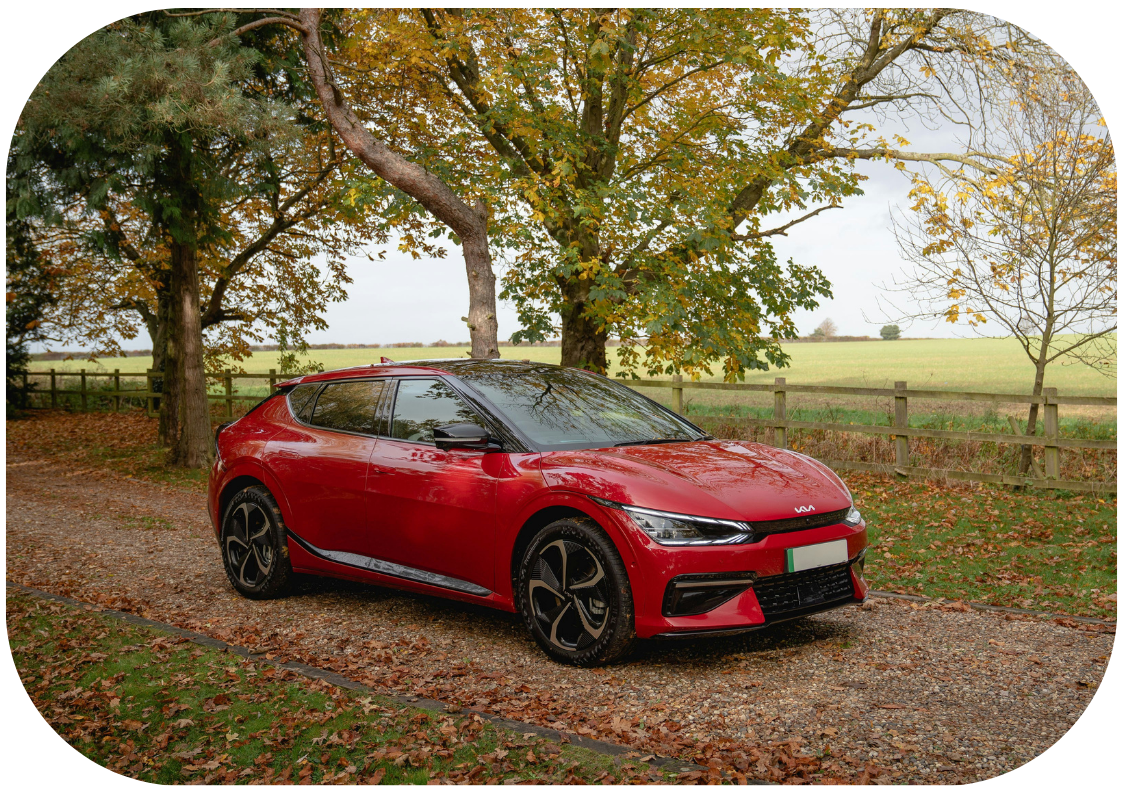
Lower Day-to-Day Running Costs
The most immediate benefit most EV drivers notice is the cost of charging versus filling up at a petrol station. Electricity is significantly cheaper per mile, and if you're charging at home on an off-peak tariff, you could be paying as little as a few pence per mile.
To put it in perspective: based on average figures, switching from petrol to electric could save a typical driver over £900 a year in fuel costs alone. For higher-mileage drivers, those savings increase considerably.
Reduced Servicing and Maintenance Costs
Electric cars have far fewer moving parts than petrol or diesel vehicles. There's no engine oil, no timing belt, no exhaust system, no clutch, and regenerative braking means your brake pads last significantly longer, too.
In practice, this means fewer trips to the garage and lower servicing bills. Most EVs require little more than annual safety checks, tyre rotations, and software updates.
Smooth, Confident Road Performance
It's hard to describe how different an electric car feels to drive until you've actually driven one. Electric motors deliver their full torque instantly, so from the moment you press the accelerator pedal, you’ll experience smooth, immediate power delivery with no hesitation.
On Highland roads, that means confident overtaking, effortless progress on long inclines, and a relaxed, quiet cruise on the A9. Most first-time EV drivers come back from a test drive surprised at just how enjoyable it is.
Financial Incentives and Tax Benefits
There are several financial advantages available to electric car drivers in Scotland right now, including:
- UK Government Electric Car Grant providing up to £3,750 off eligible new electric vehicles (several EV models at Dicksons qualify - including the Nissan LEAF and MICRA!)
- Reduced Vehicle Excise Duty (Road Tax) means that zero-emission cars are taxed at a lower rate
- Company car drivers can take advantage of Benefit-in-Kind (BiK) tax rates for electric vehicles, which are significantly lower than for petrol or diesel vehicles
- Low Emission Zone exemptions for major Scottish cities, including Edinburgh, Glasgow, Aberdeen and Dundee, have been introduced
- Salary Sacrifice Schemes mean that employers can offer arrangements that can reduce the cost further
Home Charging Convenience
Once you get used to plugging an electric car in overnight, the idea of queuing at a petrol station starts to feel unnecessarily inconvenient. Most EV drivers wake up every morning with a full (or near-full) battery, ready for whatever the day involves. For drivers in more rural parts of the Highlands, this is particularly appealing.
The Honest Cons of Electric Car Ownership
We think the case for going electric is a strong one, but we also believe in being straight with customers. So, here are the genuine challenges worth knowing about:
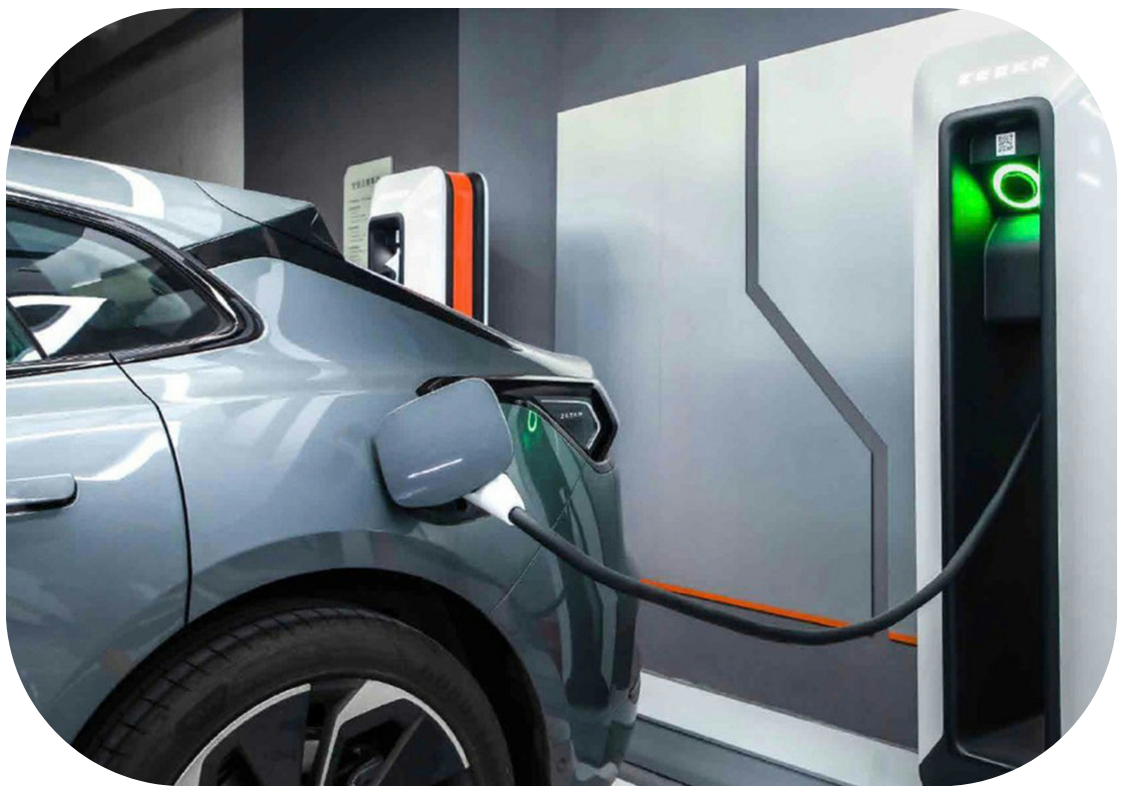
Higher Purchase Price
New electric cars typically cost more upfront to buy than equivalent petrol or diesel models - but things are changing.
The gap has narrowed significantly over the past few years, and when you factor in running cost savings and available grants, the total cost of ownership over three to five years is often comparable or better, but the initial outlay is a real consideration. It’s worth knowing that finance options such as Personal Contract Purchase (PCP) can help spread the cost.
Home Charging Isn't Always an Option
If you live in a flat, rent your property, or don't have off-street parking, installing a home charger may not be straightforward. Relying entirely on public charging is possible, but it adds complexity to daily routines. This is one situation where a hybrid vehicle might be a better fit for now.
Longer Time to Recharge Than Refuel
Even a rapid charger for an electric car takes 20 to 40 minutes to deliver a meaningful charge, which is considerably longer than a petrol stop. For most everyday driving, this doesn't matter at all (as you can charge overnight), but on long journeys it's worth factoring in an extra stop or two.
The key here is planning ahead, which modern EVs make easy with built-in navigation that will take you on routes with charge points.
Public Charging Networks Aren't Perfect Just Yet
Scotland's public charging infrastructure has improved enormously, but it's not flawless. Some charge points can be out of service, occupied, or slower than advertised. In more remote parts of the Highlands, spacing between charge points on some routes can still be a consideration.
That said, the network is expanding quickly. So for most drivers, the vast majority of charging happens at home, making this less of a day-to-day issue than it might seem. Also, public charge points outnumber public fuel pumps almost two-to-one across the UK.
Plus, great resources like ZapMap highlight just how many charge points are available and how close they are to you!
Cold Weather Affects Range
Electric car batteries are less efficient in very cold temperatures. In a Scottish winter, you might see a range reduction of around 10 to 20% compared to mild-weather driving. For most drivers, though, this still leaves plenty of range to play with, but it's worth knowing about, particularly if you're regularly driving in remote Highland areas in winter.
However, it’s worth knowing that practical features like pre-conditioning (warming the cabin while still plugged in) help manage this effectively.
Battery Longevity
Modern EV batteries are designed to last the life of the car and are typically covered by manufacturer warranties of 8 years or 100,000 miles. Real-world evidence from early EVs like the Nissan LEAF shows that battery degradation is generally gradual and manageable.
The good news is that this is far less of a concern than it was five years ago, but it's a fair question to ask when choosing a model.
Understanding Electric Car Range
Range is one of the most discussed aspects of electric vehicles, and also one of the most misunderstood. To help dispel any myths from the truths, here's what you need to know.
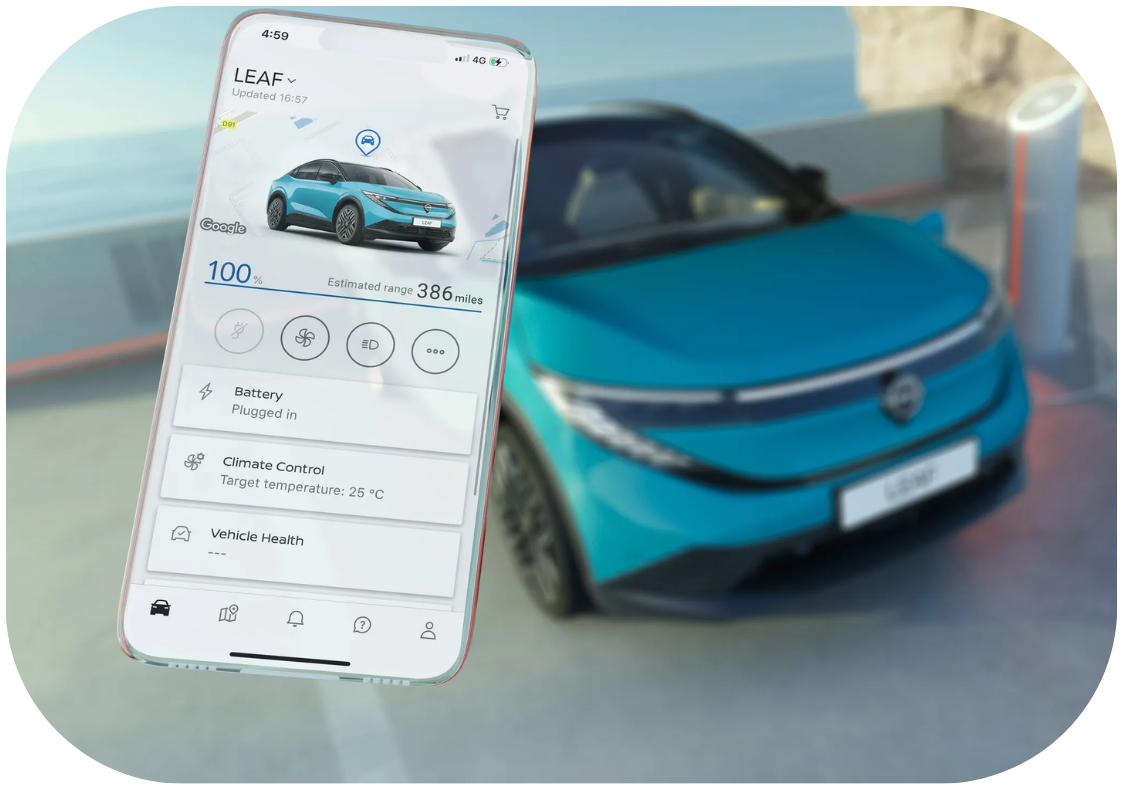
Official vs. Real-World Range
Electric car manufacturers quote range figures based on standardised tests (the WLTP cycle), but real-world range varies depending on speed, weather, terrain, heating and air conditioning use, as well as driving style.
A car quoted at 300 miles might in reality deliver 230 to 260 miles in typical mixed Scottish driving conditions. That's still a very usable range for most drivers, but it's worth going in with realistic expectations.
What Affects EV Driving Range?
- Speed: Motorway driving at 70mph uses considerably more energy than town driving
- Cold weather: As previously mentioned, winter temperatures reduce efficiency, but by less than many people fear
- Hills: Highland roads involve more climbing than flat motorway driving, which uses more energy (though regenerative braking partially recovers energy on the descent)
- Heating and air conditioning: Running the heater in winter is the single biggest drain on battery range in cold conditions
- Driving style: Smooth, anticipatory driving maximises range, whereas aggressive acceleration reduces it
What EV Range Do You Actually Need?
Most UK drivers cover fewer than 30 miles a day. Even a modest-range EV with 200 miles of real-world range gives you almost a week of average daily driving between charges. The question isn't really whether an EV has enough range; it's whether your charging setup means you can keep the battery topped up easily.
How EV Charging Works

Typically, there are three types of charging options for an electric vehicle. These are:
Slow Charging (3kW) - Standard Three-Pin Plug
Every electric car can be charged from a standard domestic socket. Although this is the slowest option (only adding roughly 8 to 10 miles of range per hour) and isn't recommended as a primary charging method. But it can be useful in emergencies or for a light overnight top-up.
Fast Charging (7kW) - Home Wallbox or Public Fast Charger
A 7kW home wallbox is considered to be the gold standard for home charging. It will fully charge most electric cars in 8 to 12 hours, making overnight charging perfectly practical. These are the most common types of chargers in car parks, supermarkets, and workplaces, too.
Rapid and Ultra-Rapid Charging (50kW–350kW) - Public Charge Points
Rapid chargers are found at motorway service areas, retail parks, and on key routes across the Highlands. A 50kW rapid charger can add around 100 miles of range in just 20 to 30 minutes.
By comparison, ultra-rapid chargers (150kW+) can add significant range in as little as 10 to 15 minutes for compatible vehicles. These are best used for en-route top-ups on longer journeys.
EV Charging at Home - What's Involved?
Installing a home wallbox is straightforward for most homeowners with off-street parking. A qualified electrician installs the unit, which connects to your household electricity supply.
The process typically takes half a day and costs between £500 and £1,000, including installation. We can connect you with trusted local installers serving Inverness and the wider Highland area.
EV Charging in Inverness and Across the Highlands
Inverness has a growing network of public charge points, including rapid chargers in the city centre and at key locations around the town. Beyond the city, the national Charge Place Scotland network covers thousands of locations across Highland Scotland - including along the A9, A96, and the North Coast 500. The network is free to register for and continues to expand year on year.
For a full map of available charge points, visit the Charge Place Scotland website or use the Zap Map website, which shows real-time availability.
EV Ownership in the Scottish Highlands - What Makes It Different?
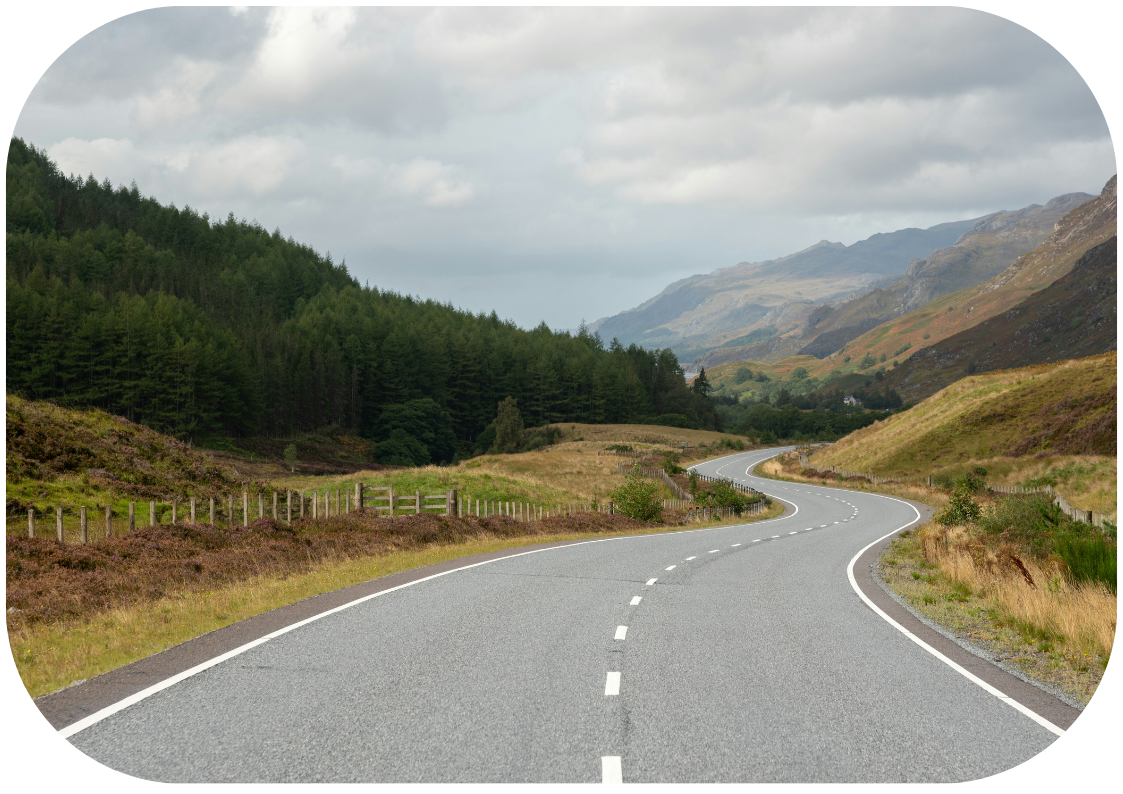
Driving in Highland Scotland has its own characteristics. There are longer distances between towns, more single-track roads, genuine winter weather, and some of the most dramatic terrain in the UK. Here's how EVs handle the Highland journeys:
Rural and Remote Driving
The good news is that charging infrastructure in the Highlands has improved significantly, and the most-used routes are well covered. The key here is charging habits: if you're regularly driving long distances into remote areas, home charging every night (so you start each day with a full battery) is important.
The North Coast 500 by Electric Car
The NC500 is increasingly popular with EV drivers, and it's genuinely viable, but requires more planning than a petrol road trip. Charge points exist along much of the route, though some stretches require attention to spacing, particularly on the north and west coasts.
Choosing a vehicle with a longer range, planning overnight charging at your accommodation, and using tools like Zap Map to check charge point availability before setting off all make it a very manageable road trip.
Winter Driving in the Highlands
While cold temperatures do affect EV battery range, modern electric cars handle Scottish winters well. Many models offer heated seats, heated steering wheels, and cabin pre-conditioning, which lets you warm the car while it's still plugged in, so you're not draining the battery to heat a cold cabin.
In practice, most Highland EV drivers report that winter range reduction is manageable and doesn't significantly change their experience.
Towing Capabilities
Towing is one area where EVs still lag behind their diesel counterparts in some respects. Some models do offer a towing capacity, but the range decreases significantly when towing a heavy load.
If regular towing is central to your lifestyle (such as for a horsebox, caravan, or work trailer), it's worth discussing your requirements with our team to find a model that fits, such as the new KGM Musso EV, which has towing capability of up to 2.3 tonnes!
A plug-in hybrid may be a better option if you’re towing on a regular basis.
EV Ownership Costs - What to Expect
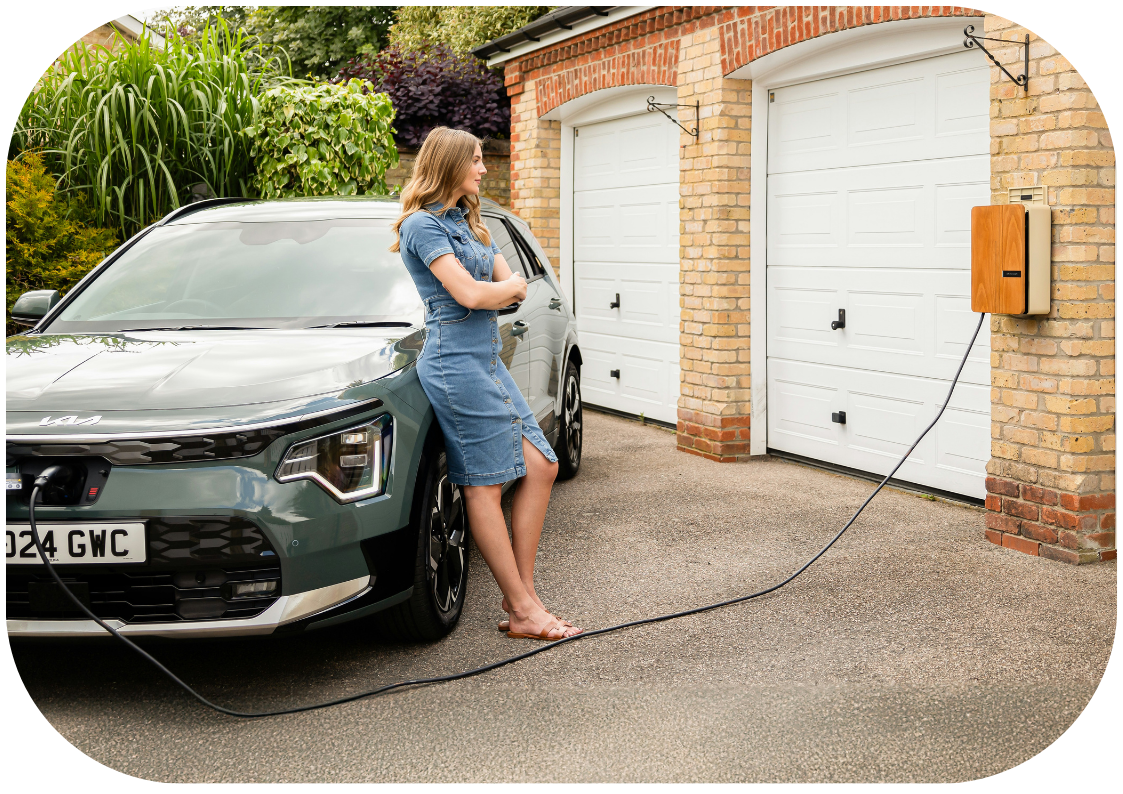
Purchase Price
New electric cars range from around £22,000 for a compact city EV to £70,000 plus for premium SUVs. The majority of popular family EVs sit in the £30,000 to £50,000 price bracket. The UK Government's Electric Car Grant of up to £3,750 reduces the upfront cost on eligible models, so ask our team which models at Dicksons currently qualify.
Charging Costs
- Home charging (off-peak tariff): approximately 7 to 10p per mile
- Home charging (standard tariff): approximately 12 to 15p per mile
- Public fast charger: approximately 15 to 25p per mile
- Public rapid charger: approximately 20 to 35p per mile
By comparison, a petrol car averaging 40mpg at £1.39 per litre costs approximately 17p per mile in fuel alone.
Insurance
Electric car insurance has historically been slightly higher than equivalent petrol cars, partly due to higher repair costs for specialist components. Although the gap is narrowing as EVs become more common, insurers are gaining more experience in pricing them. Shopping around and comparing quotes is more than worth your time.
Servicing
Annual servicing for an EV is typically less expensive than for a petrol or diesel car. Without engine oil, filters, spark plugs, timing belts, or exhaust components to replace, major service intervals are simpler and less costly. Tyres and brakes (though brake pads last longer due to regenerative braking) are the main consumables to bear in mind.
Battery Warranty
The car brands we stock have various warranties between 5 and 10 years. This covers significant degradation as well as outright failure, giving owners genuine long-term peace of mind.
Electric Cars for Business Drivers in Scotland
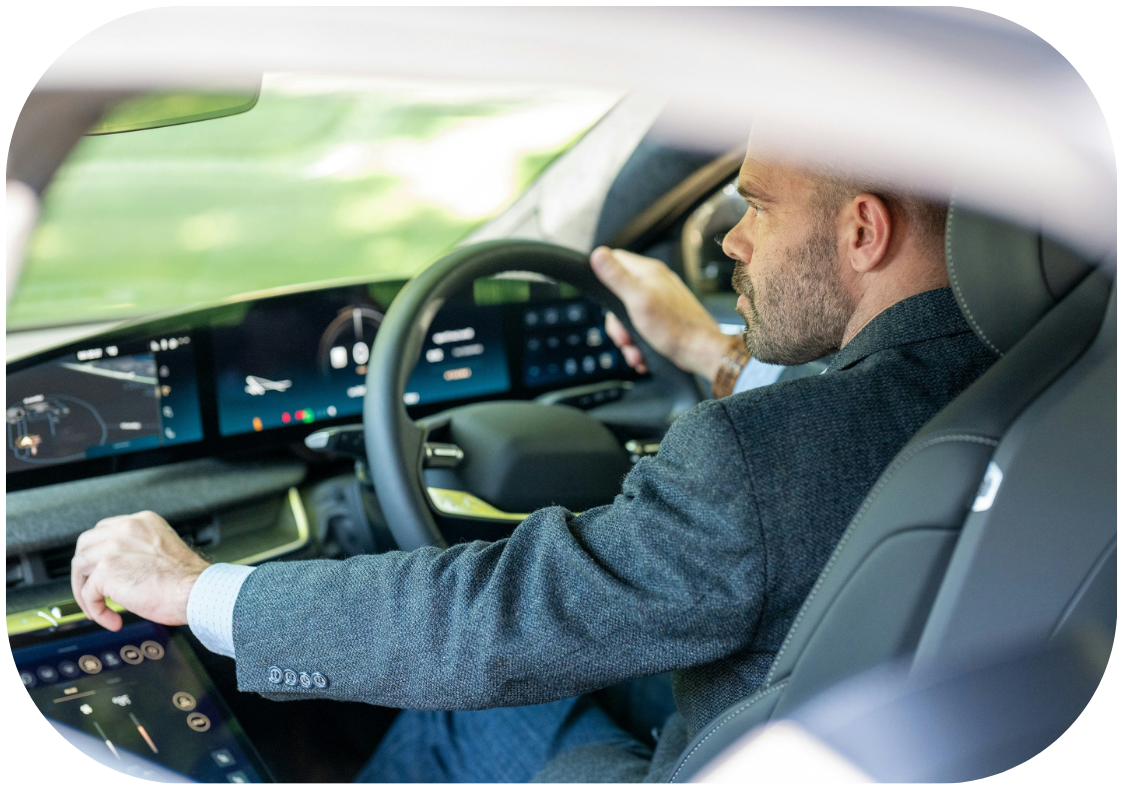
For company car drivers and business owners in the Highlands, the financial rewards for switching to an electric car are encouraging. Here’s how you can benefit:
Benefit-in-Kind Tax
The Benefit-in-Kind (BiK) rate for electric company cars is currently just 4% for the 2026/27 tax year (rising gradually in the coming years, but remaining well below petrol and diesel rates). For a higher-rate taxpayer driving a £40,000 electric company car, this can save you thousands of pounds per year compared to an equivalent petrol model.
Capital Allowances
Businesses purchasing electric vehicles can claim 100% first-year capital allowances, allowing the full cost to be deducted from profits in the year of purchase.
Salary Sacrifice Scheme
Many employers now offer electric car salary sacrifice schemes, which allow employees to lease an EV from their pre-tax salary, thus reducing income tax and National Insurance contributions for both the employee and employer. These schemes can make electric driving accessible at a significantly lower effective monthly cost.
Charging Infrastructure for Businesses
Workplace EV charging is eligible for grant funding through the Workplace Charging Scheme (WCS), which provides up to £350 per socket toward installation costs. We can help businesses in Inverness and the Highlands understand the options.
Ready to Find Out More About Owning an Electric Car? Talk to the Team at Dicksons Inverness
We hope this guide has given you a clearer picture of what electric car ownership actually involves, be it the benefits, the considerations, and what to expect day to day in the Scottish Highlands.
The best next step is a conversation about your options. Our team understands the questions Highland drivers have, and can help you work out whether an EV suits your situation, and if so, which model is the right fit.
You're also very welcome to come in and drive one. A test drive is the single best way to understand what makes electric cars genuinely different, and we have a range of models available to try at our Inverness showroom.
Call us on 01463 712800 or get in touch using the form below.
FAQs
-
How long does it take to charge an electric car?
It entirely depends on the charger type and the car's battery size. A home 7kW wallbox typically charges a family EV fully in 8 to 12 hours overnight. A 50kW public rapid charger adds around 100 miles of range in as little as 20 to 30 minutes. Ultra-rapid chargers (150kW plus) can charge compatible cars to 80% in as little as 20 minutes.
-
How long do EV batteries last?
Modern EV batteries are designed to last the lifetime of the vehicle. Most manufacturers provide an 8-year, 100,000-mile warranty covering significant degradation. Real-world data from earlier EVs like the Nissan LEAF shows gradual, manageable degradation over time.
It’s similar in concept to a smartphone battery, but on a much longer timescale and with far greater durability.
-
Can I charge an electric car in the rain?
Yes, absolutely. EV charging systems are designed and tested to be safe in all weather conditions, including heavy rain. The connections are sealed and waterproof. Charging in Scottish weather is not an issue.
-
Do electric cars work in the snow?
Yes. Electric cars perform well in cold and snowy conditions. The instant torque delivery can actually give good low-speed traction. Many EVs come with all-wheel drive options, and winter tyres are available just as with any vehicle. The main consideration in cold weather is reduced range, which is manageable with good charging habits.
-
What happens if I run out of charge?
Running out of charge completely (known as being "bricked") is extremely rare in practice. This is because EVs give extensive warnings as the battery gets low, and most will reduce performance to preserve range before the battery is fully depleted.
In the unlikely event it does happen, EV-specialist recovery services can transport your vehicle to a nearby charger. The best prevention is building good charging habits so you never run low.
-
Is it cheaper to run an electric car than a petrol car?
For most drivers, yes, particularly on fuel and servicing costs. Charging at home is significantly cheaper per mile than petrol, and servicing costs are lower.
The total cost of ownership over several years is often comparable to or better than a petrol equivalent, even accounting for a higher purchase price. Business drivers with access to salary sacrifice or company car schemes can really benefit financially.
-
Can I tow with an electric car?
Some electric cars are approved for towing, but towing capacity varies by model, and the range is reduced significantly when towing. If regular towing is important to you, this is something to discuss with our team.
Models like the KGM Musso EV pick-up may be a great vehicle for your lifestyle. We can identify the right model for your needs or discuss whether a plug-in hybrid might be a better fit for your lifestyle.
-
Do I need to tell my insurer I've bought an electric car?
Yes, as with any new vehicle, you'll need to insure it before driving. Electric cars are insured in the same way as petrol or diesel vehicles, though you should ensure your policy covers the charging equipment too. Home charger installations are often covered under home insurance, but it's worth checking.
-
What's the difference between a hybrid and a full electric car?
A hybrid car has both a petrol engine and an electric motor, using both to improve fuel economy. A plug-in hybrid (PHEV) has a larger battery that can be charged externally, offering a limited all-electric range (typically 20 to 50 miles) before the petrol engine takes over.
A full battery electric vehicle (BEV) runs entirely on electricity and has no petrol engine at all. If you're not yet ready to go fully electric, a plug-in hybrid can be the best intermediate step.
-
Can I charge an electric car at a campsite or caravan park?
Many campsites in Scotland now offer EV charging, and some standard hook-up points can be used with an appropriate adapter (at slow charging speeds). This is particularly relevant for road trips like the North Coast 500, where overnight charging at your accommodation is a common requirement.
Checking charge point availability at your planned stops before setting off is recommended.
-
Are there grants available for installing a home charger in Scotland?
Yes, and in Scotland, drivers may be able to access more than one scheme depending on their circumstances.
For instance, the Scotland Domestic Charge Point Grant Funded by Transport Scotland and managed by the Energy Saving Trust, provides a grant to eligible Scottish residents with up to £400 toward the cost of purchasing and installing a home EV charge point.